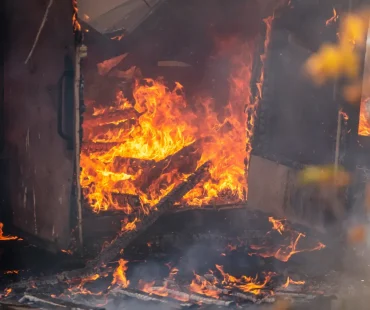
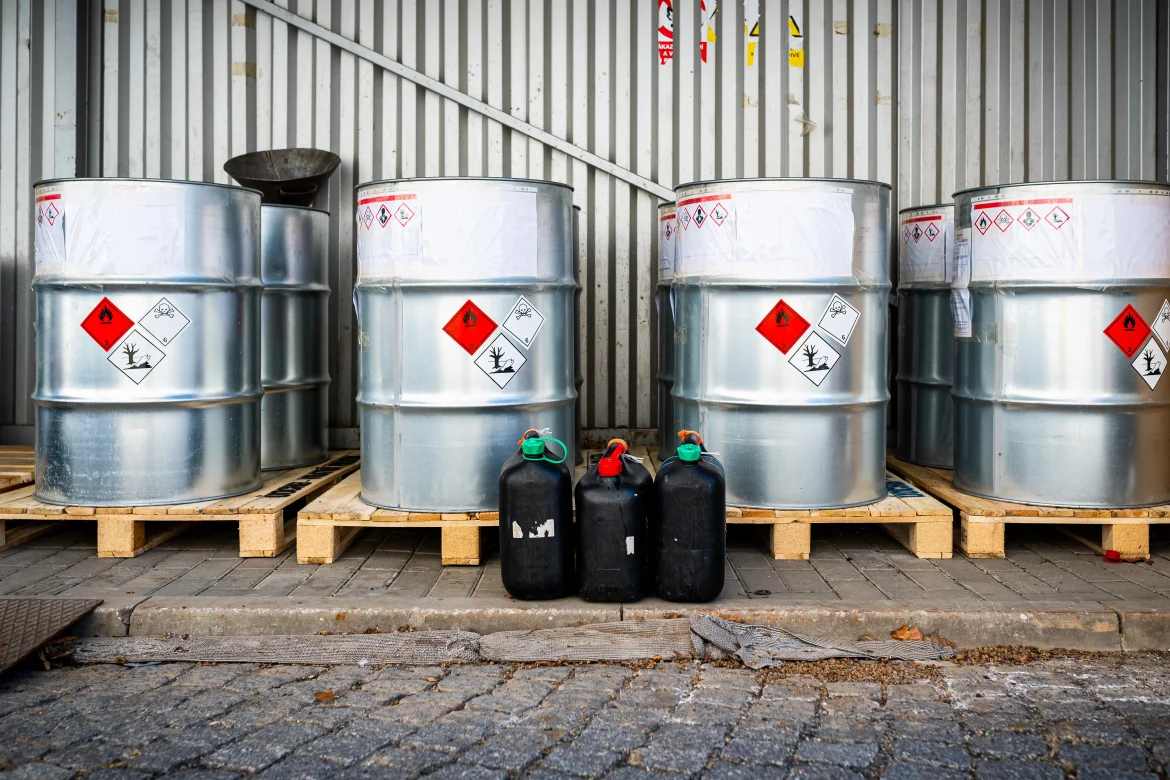
When we discuss industrial infrastructure, we often focus on what is being built. However, the true measure of a sustainable society lies in what it does with what is left over. Hazardous waste disposal Cleveland, Ohio is the silent guardian of our modern standard of living, acting as a sophisticated filter that prevents the complex chemical compounds of our electronics, pharmaceuticals, and manufacturing from rebounding into our food chain.
The Chemical Life Cycle: Why Disposal is a Permanent Commitment
In the realm of hazardous waste disposal Dallas, Texas “out of sight, out of mind” is a dangerous fallacy. Many synthetic toxins are persistent, meaning they do not biodegrade. If hazardous waste disposal is handled incorrectly, these substances undergo “bioaccumulation” – they move from the soil into small organisms, eventually concentrating in higher levels of the food chain.
This is why modern hazardous waste disposal relies so heavily on Encapsulation Technology. Unlike standard storage, macro-encapsulation involves sealing waste in a thick, non-corrosive polymer jacket. This creates a physical barrier that can withstand seismic shifts and environmental degradation, ensuring that the hazardous waste disposal site remains a tomb rather than a source of leakage for centuries.
Navigating the “Hidden” Hazardous Waste Streams
Many industries are unaware that their routine processes trigger strict hazardous waste disposal requirements. It isn’t just about glowing green sludge; it’s about the subtle chemistry of modern business:
-
Universal Waste: This category includes common items like fluorescent lamps, mercury-containing thermostats, and certain batteries. While they seem benign, their hazardous waste disposal is strictly regulated because of the cumulative mercury and lead they contain.
-
Aerosol Cans: Often overlooked, discarded pressurized cans are frequently classified as reactive or ignitable, requiring a specialized hazardous waste disposal path to prevent explosions at standard recycling centers.
-
Contaminated Rags: Wipes used with industrial solvents are technically hazardous. Professional hazardous waste disposal involves either specialized laundering or high-heat incineration to manage the volatile residues.
The Rise of High-Tech Neutralization: Thermal and Chemical
To move away from long-term land storage, the industry is leaning into destructive hazardous waste disposal methods. These aren’t just “burning” techniques; they are precision molecular surgeries:
-
Rotary Kiln Incineration: These massive, rotating cylinders ensure that waste is exposed to intense heat for an exact duration, guaranteeing the complete thermal destruction of organic hazardous molecules.
-
De-halogenation: This chemical process strips chlorine or fluorine atoms from toxic organic compounds, effectively “disarming” the chemical before it even enters the final hazardous waste disposal Houston, Texas phase.
-
Precipitation: By adding specific reagents to liquid waste, heavy metals “fall out” of the solution as solids, making the remaining liquid safe for standard treatment and the solid metal easier for specialized hazardous waste disposal.
The “Good Faith” Audit: Choosing a Disposal Partner
Because the original generator carries “cradle-to-grave” liability, the selection of a hazardous waste disposal Chicago, Illinois vendor is a high-stakes audit. A responsible organization doesn’t just look for the lowest price; they look for:
-
Insurance Indemnification: Does the facility have the financial backing to cover a potential spill?
-
Permit History: Are there outstanding violations from environmental agencies regarding their hazardous waste disposal practices?
-
Security Protocols: How does the facility prevent unauthorized access or accidental releases during the hazardous waste disposal cycle?
The Future of Responsible Industry
The goal of 21st-century industry is to bridge the gap between production and preservation. By treating hazardous waste disposal Boston, Massachusetts as a vital part of the supply chain rather than an afterthought, we protect the biological systems that sustain us. As we move toward a circular economy, the expertise found in professional hazardous waste disposal will be the bridge that turns today’s toxic byproducts into tomorrow’s reclaimed resources.